What Were the CIA's Zero Units? Unraveling Their Legacy in the Wake of the D.C. Shooting
The Zero Units trace their roots to the immediate aftermath of the September 11, 2001, attacks, when the CIA scrambled to dismantle al-Qaeda and oust the Taliban harboring them.
In a shocking ambush that has gripped the nation's capital, 29-year-old Afghan national Rahmanullah Lakanwal stands accused of fatally shooting National Guard member Sarah Beckstrom, 20, and critically wounding Andrew Wolfe, 24, outside a Metro station near the White House on November 27. Authorities describe the attack as deliberate and "ambush-style," with Lakanwal—himself wounded in a ensuing firefight—now hospitalized under heavy guard, facing upgraded charges including first-degree murder. What has stunned investigators and the public alike is Lakanwal's reported history: as a former member of an elite Afghan paramilitary "Zero Unit," a CIA-backed force notorious for its role in America's longest war. As the investigation unfolds, whispers of post-traumatic stress from his service have emerged, but Lakanwal's ties to these shadowy units demand a deeper reckoning with their origins, operations, and the human cost they inflicted on Afghanistan—and now, reverberate to U.S. soil.
Born in a remote village in Afghanistan's eastern Khost province, Lakanwal was just 5 when U.S. forces invaded post-9/11. By his late teens, he had enlisted in the 03 Zero Unit—the Kandahar Strike Force—operating from Firebase Gecko, a CIA outpost in Taliban founder Mullah Omar's former compound. Evacuated to the U.S. in September 2021 amid the chaotic Taliban resurgence, he resettled in Washington state with family, including a brother who rose to platoon leader in the same unit. Yet, as President Trump decries the shooting as an "act of terror" tied to lax immigration, the spotlight falls on the Zero Units themselves. These were no ordinary soldiers; they were the CIA's Afghan phantoms, forged in the fires of counterterrorism and shadowed by allegations of unchecked brutality.
Forged in the Fires of 9/11: The Birth of the Zero Units
The Zero Units trace their roots to the immediate aftermath of the September 11, 2001, attacks, when the CIA scrambled to dismantle al-Qaeda and oust the Taliban harboring them. In those frantic days, the agency launched the Counterterrorism Pursuit Teams (CTPTs)—a clandestine network of Afghan fighters designed for rapid, high-stakes hunts. "Aggressive, vicious, unforgiving, relentless"—that's how then-CIA Director Mike Pompeo described the ramped-up approach in 2017, signaling a shift toward paramilitary proxies unbound by conventional military oversight.
Why create them? The U.S. needed boots on the ground that could navigate Afghanistan's treacherous tribal landscapes, speak the languages, and strike with deniability. Regular Afghan National Army units were plagued by corruption, desertions, and Taliban infiltration. Zero Units filled the void: elite squads operating outside the chain of command, funded, equipped, and directed by the CIA, often alongside U.S. Special Operations Forces. By the war's end in 2021, they had swelled to 10,000–12,000 members, rebranded under the National Directorate of Security (NDS)—Afghanistan's CIA analog, itself a U.S. creation.
Numbered 01 through 04, each unit specialized by region: 01 in eastern Khost and Paktia for Haqqani network ops; 02 in Nangarhar against ISIS-K; 03 in southern Kandahar and Helmand, Lakanwal's domain; and 04 in northern Kunduz. They weren't just reactive; they were proactive terror-weavers, conducting thousands of night raids that CIA officials hailed as "essential to securing bases" during the 2021 pullout. Yet, this efficiency came at a price: autonomy bred impunity.
Warriors in the Shadows: Makeup, Training, and Relentless Missions
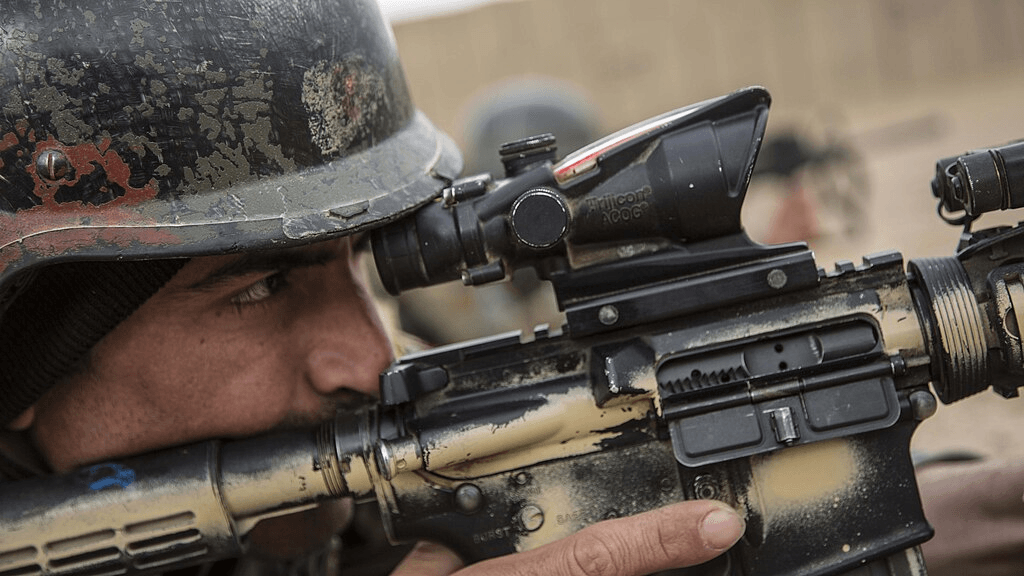
Exclusively Afghan, Zero Units drew recruits from war-hardened locals—often young men like Lakanwal, enlisting as teens amid Taliban threats. Makeup was lean and lethal: 20–30 operators per team, armed with U.S.-supplied M4 rifles, night-vision goggles, suppressed weapons, and helicopters for insertions. They bypassed Afghan military hierarchies, reporting directly to CIA handlers at forward operating bases like Gecko, where intelligence fused with action.
Training was CIA boot camp incarnate: months of rigorous instruction by American paramilitary officers and Green Berets in close-quarters battle, surveillance, and "capture-kill" protocols. Recruits learned to fast-rope from Black Hawks, interrogate suspects in Pashto, and execute raids under cover of darkness—tactics honed for psychological dominance over insurgents. "They were our Afghan SEALs," one former CIA officer recalled, praising their role in snaring Taliban commanders and al-Qaeda financiers. Lakanwal, starting as a security guard in 2012, climbed to team leader and GPS expert, his brother commanding platoons—family bonds forged in firebase foxholes.
Their missions? Night raids: helicopter-borne assaults on suspected militant compounds, often 2 a.m. drops yielding cordon-and-search ops. Targets: high-value insurgents from the Taliban, al-Qaeda, Haqqani network, and ISIS-K. Successes were real—disrupting bomb networks, rescuing hostages—but the ops' velocity, reliant on CIA intel, sowed seeds of error. By 2021, Zero Units guarded Kabul's airport during the evacuation, earning fast-track U.S. visas for thousands, including Lakanwal's family.
A Trail of Blood: Alleged Abuses and the "Death Squad" Shadow
For all their battlefield prowess, Zero Units cast a long, dark pall over Afghanistan's countryside. Human rights groups, journalists, and survivors paint them as "death squads"—a label echoed in diplomatic cables and Taliban propaganda alike. The Intercept's 2020 exposé dubbed 01 Unit just that, documenting 51 civilian deaths in raids, including women and children gunned down in sleep. Human Rights Watch (HRW) tallied 14 war crimes from 2017–2019: extrajudicial executions, enforced disappearances, indiscriminate strikes on clinics and madrassas.
ProPublica's 2023 investigation, drawing from 350+ interviews, revealed faulty CIA intelligence as the culprit: raids on "high-value targets" hitting weddings, schools, innocents misidentified via drone tips or paid informants. "They leave no one alive," a Taliban official sneered post-2021, dubbing them "safari units." In Logar province, Zero fighters confessed to summary killings; in Wardak, locals decried "terrorist" tactics terrorizing villages. HRW cited diplomats' whispers: "The Afghan government lacks the will to probe these forces."
The CIA has pushed back, insisting claims are "false or exaggerated" and that abuses trigger rigorous reviews. Yet, a classified war loophole shielded ops from congressional oversight, leaving accountability in limbo. Survivors' testimonies—from bombed-out homes to orphaned children—tell of a force that, in pursuing security, eroded it, fueling Taliban recruitment and anti-U.S. resentment.
Echoes in America: From Firebase to Freedom's Fragile Edge
Today, thousands of Zero Unit veterans, including Rahmanullah Lakanwal, live in the United States on temporary two-year work permits, with their classified combat records often delaying permanent residency. Many have settled in areas like Seattle.
These were highly effective paramilitary forces trained for night raids and close-quarters killing in a brutal counterinsurgency—skills that served U.S. objectives in Afghanistan but do not easily translate to civilian life in a peaceful society. The intense combat exposure, combined with documented patterns of operating outside normal rules of engagement, has raised legitimate concerns about integration and public safety risks, concerns now tragically illustrated by the Washington, D.C. shooting.
The United States owes these former allies support for their service, yet the Lakanwal case underscores the hard reality: warriors shaped for one of the world’s most unforgiving war zones can, in rare but grave instances, pose dangers when placed among unarmed civilians. Balancing gratitude with realistic screening and oversight remains a difficult but necessary challenge.
Like this article