Trump Engages Democrats on Proposal to Redirect ACA Subsidies as Direct Payments to Americans
Treasury Secretary Scott Bessent elaborated in an ABC News interview on November 9 that the plan could save $50-60 billion yearly by eliminating insurer middlemen, who retain 12-15% for overhead, while empowering individuals to select coverage tailored to needs.
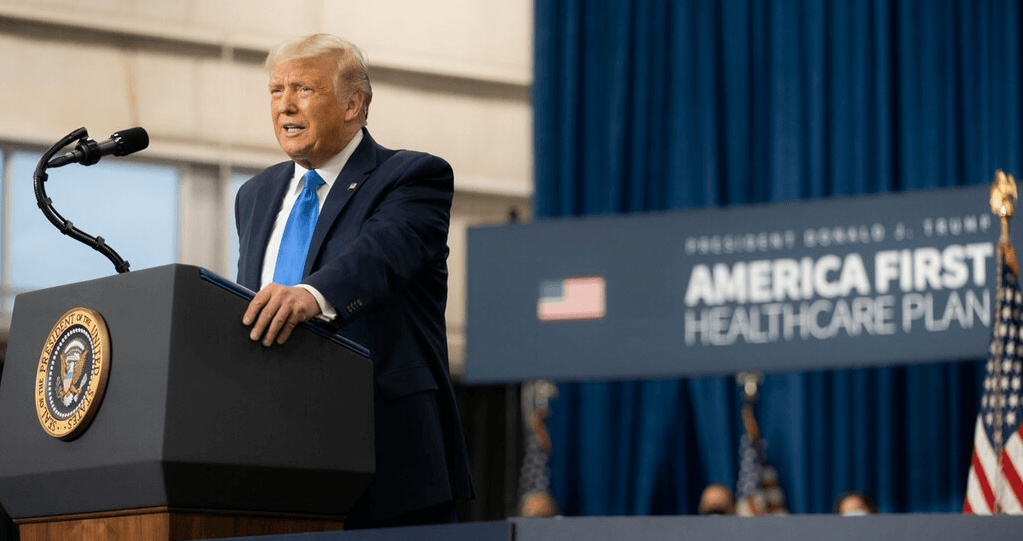
President Donald Trump revealed on November 17, 2025, that he is in discussions with some Democratic lawmakers on a plan to redirect enhanced Affordable Care Act (ACA) premium subsidies—totaling approximately $100 billion annually—directly to individuals for purchasing health insurance of their choice, potentially bypassing insurers and saving taxpayer dollars. In comments to reporters at the White House, Trump stated, "I've had personal talks with some Democrats," describing the idea as a way to "give the money to the people instead of the insurance companies" and allow Americans to negotiate better rates independently. The proposal, first floated during the recent government shutdown, aims to address the subsidies' expiration on December 31, 2025, without extending the current system.
The enhanced subsidies, enacted through the 2021 American Rescue Plan Act as temporary COVID-19 relief, cap premiums at 8.5% of income for those earning up to 400% of the federal poverty level, benefiting over 24 million enrollees in 2025, per the Centers for Medicare & Medicaid Services. Without extension, premiums could rise an average of 75%—or $705 monthly for a family of four earning $100,000—according to the Kaiser Family Foundation. Trump's approach would convert these funds into direct payments or deposits into health savings accounts (HSAs), enabling consumers to shop across plans, including short-term or association health options, potentially fostering competition and reducing administrative costs that consume 18% of ACA premiums.
Treasury Secretary Scott Bessent elaborated in an ABC News interview on November 9 that the plan could save $50-60 billion yearly by eliminating insurer middlemen, who retain 12-15% for overhead, while empowering individuals to select coverage tailored to needs—such as catastrophic plans paired with HSAs for routine care. A 2025 Heritage Foundation analysis estimated direct payments could lower out-of-pocket costs by 20-30% through market-driven pricing, citing Canada's individual mandate model where consumers save 15% on premiums via negotiation. Bipartisan support exists: Sens. Bill Cassidy (R-La.) and Tim Kaine (D-Va.) introduced a similar bill in October, proposing $2,000 annual credits for low-income families, projecting 10 million more insured at 25% lower costs than ACA exchanges.
House Republicans, led by Ways and Means Chairman Jason Smith (R-Mo.), are drafting legislation mirroring Trump's vision, pairing it with ACA reforms like work requirements and interstate sales to cut federal spending by $200 billion over a decade, per CBO projections. Democrats like Rep. Hakeem Jeffries (D-N.Y.) have expressed openness if it protects preexisting conditions, though Senate Minority Leader Chuck Schumer (D-N.Y.) called it a "non-starter" without full subsidy extension. Negotiations, resuming post-shutdown, target a mid-December deal before premiums spike, with Trump emphasizing, "This will make healthcare affordable again for all Americans."
Like this article