Trump Confirms Phone Call with Maduro, Amid Reports of Ultimatum to Step Down
The disclosure follows reports that Trump delivered a direct ultimatum during the call, urging Maduro to leave Venezuela immediately in exchange for safe passage and immunity, a demand Maduro rejected.
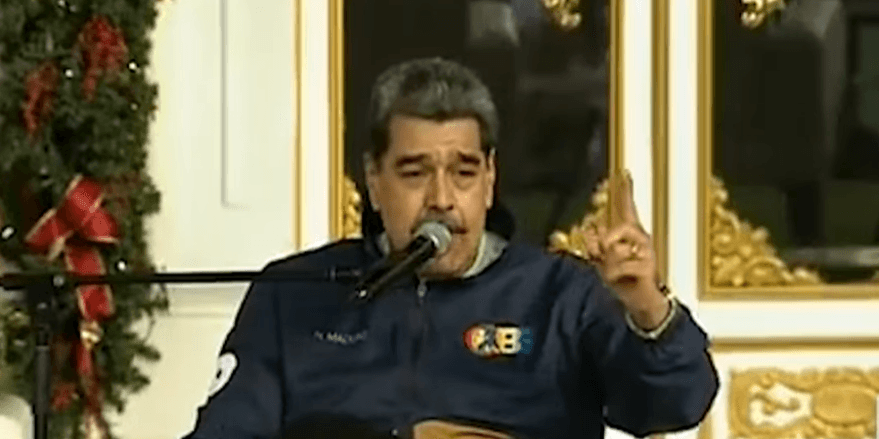
President Donald Trump confirmed on November 30, 2025, that he spoke by phone with Venezuelan President Nicolás Maduro last week, describing the conversation as neutral without providing further details. Speaking aboard Air Force One, Trump stated, "I wouldn’t say it went well or badly. It was a phone call." The disclosure follows reports that Trump delivered a direct ultimatum during the call, urging Maduro to leave Venezuela immediately in exchange for safe passage and immunity, a demand Maduro rejected.
Sources familiar with the discussion, including U.S. officials speaking to Reuters and The New York Times, indicated the call—held in late November and including Secretary of State Marco Rubio—centered on escalating U.S. pressure, with Trump warning of military consequences if Maduro refused to relinquish power. Maduro reportedly sought guarantees of global amnesty for himself and his inner circle, as well as retention of military command, both of which were denied. The conversation stalled when Maduro insisted on remaining in power, despite offers of exile to Russia or Cuba, according to the reports.
The call occurred against a backdrop of intensified U.S. actions, including the November 24 State Department designation of Maduro and senior regime figures as leaders of the "Cartel de los Soles" foreign terrorist organization, enabling asset freezes and sanctions on a group accused of trafficking cocaine to the U.S. Since October 2025, U.S. forces have conducted 15 airstrikes on suspected narco-boats off Venezuela's coast, killing 83 individuals and seizing 10 tons of cocaine. On November 27, Trump announced that land operations would "start very soon," prompting Maduro to mobilize 200,000 troops and accuse the U.S. of plotting to seize Venezuela's oil reserves in a letter to OPEC Secretary General Haitham Al Ghais.
Venezuela's crisis traces to the disputed July 28, 2024, presidential election, which international observers deemed fraudulent, with opposition candidate Edmundo González Urrutia claiming victory based on 80% of tally sheets showing 67% support. Maduro's January 10, 2025, inauguration sparked protests met with crackdowns killing 45 and arresting 2,000, per Human Rights Watch. The economy, 95% reliant on oil, contracted 8% in 2025 amid U.S. sanctions blocking $4 billion in exports, driving hyperinflation to 1,200% and shortages affecting 7 million. Over 7.7 million Venezuelans—25% of the population—have fled since 2014, with 500,000 arriving in the U.S. from 2023-2025.
Trump's dual-track approach—diplomacy paired with threats—echoes his 2019 recognition of Juan Guaidó as interim president, which Maduro survived through alliances with Russia, China, and Iran. U.S. military buildup in the Caribbean, including the USS Gerald R. Ford carrier group and 15,000 troops, aims to deter smuggling but signals readiness for intervention. Maduro, absent from public view since November 27, resurfaced on state television on November 30, vowing "indestructible" defense against "imperialist aggression."
International responses vary: EU foreign policy chief Kaja Kallas called for "restraint" on November 29, while Colombia's Gustavo Petro criticized U.S. motives as oil-driven. As of December 1, 2025, no follow-up meeting is scheduled, but tensions persist with U.S. bombers overflying the region and Venezuela's military on high alert.
Like this article