Texas Democrats Return, Paving Way for GOP Redistricting Victory
The lawmakers fled to Illinois on August 4 to block the special session called by Governor Greg Abbott at President Trump's urging, denying the House a quorum needed for business.
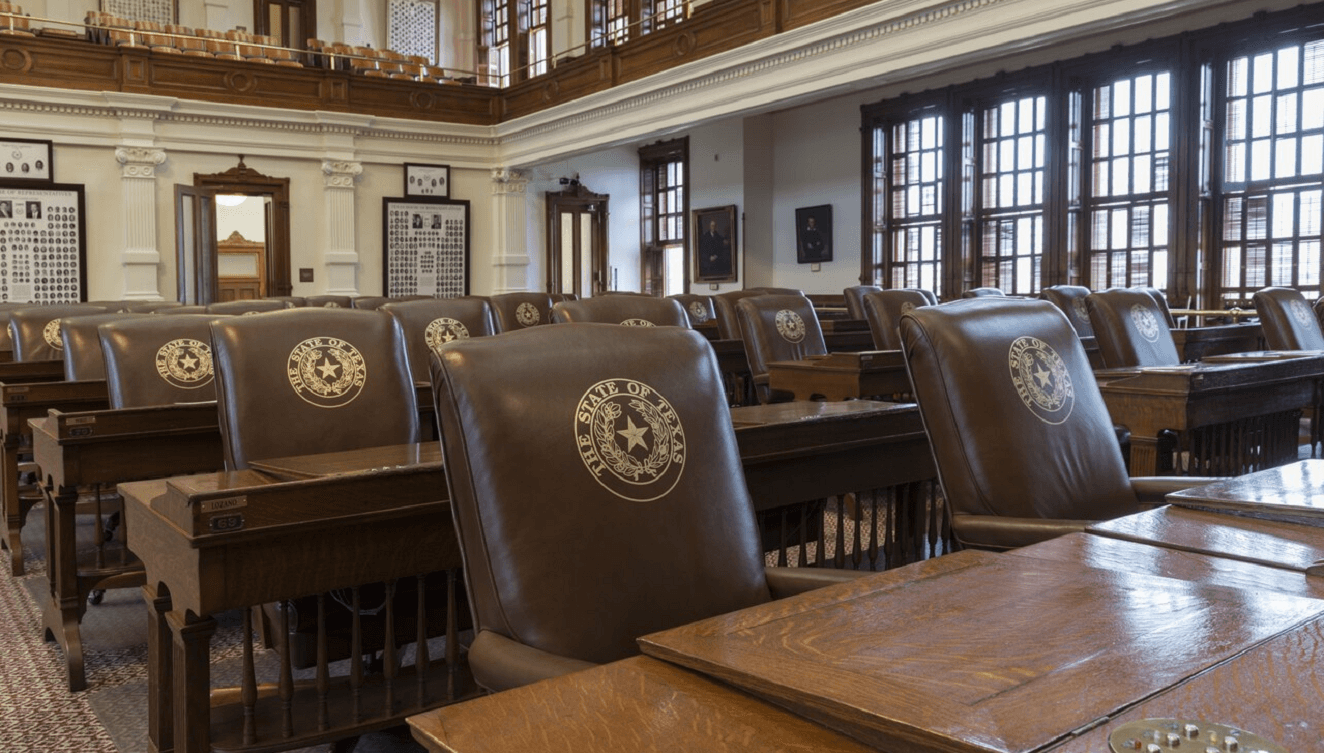
Texas House Democrats ended their two-week quorum break by returning to the Capitol on Monday, allowing Republicans to advance a mid-decade redistricting plan that could add up to five GOP seats in the 2026 congressional map.
The lawmakers fled to Illinois on August 4 to block the special session called by Governor Greg Abbott at President Trump's urging, denying the House a quorum needed for business. Their absence stalled efforts to redraw districts based on 2020 census data, which showed Texas gaining population and two new congressional seats. Democrats aimed to prevent what they view as unfair GOP advantages, but Republicans pressed forward, with Abbott calling a second special session after the first expired Friday.
Upon return, Democratic leader Gene Wu declared the standoff a success, saying it "killed the corrupt special session" and built a legal record for court challenges. "We’re returning to Texas more dangerous to Republicans’ plans than when we left," Wu stated. However, Abbott vowed to "finish the job," threatening arrests and fines for the absentees—$500 per day missed—and even removal from office for abandoning duties.
The House reconvened at noon Monday, restoring quorum and enabling votes on the map, which could pass by week's end. The proposed districts aim to solidify GOP control in a state that shifted rightward, protecting incumbents and creating safe seats amid growing urban-suburban divides.
This fight highlights a national redistricting battle. Democrats in states like Illinois, New York, and California have long dominated map-drawing, creating heavily skewed districts favoring their party. Illinois's 2021 map, for instance, packed Republicans into fewer seats, resulting in a 14-3 Democratic advantage despite closer statewide votes. New York's maps have been criticized for extreme gerrymandering, with courts intervening in 2022 to redraw lines after Democratic attempts to lock in a 22-4 edge. California, using an independent commission since 2010, still faces accusations of subtle biases, yielding a 40-12 Democratic tilt in Congress.
Republicans, historically outmaneuvered, are now catching up in states they control. Texas's move responds to decades of Democratic advantages elsewhere, aiming for proportionality in a red-leaning state. The Princeton Gerrymandering Project rates many blue-state maps as more partisan than red ones, with Illinois and New York among the worst offenders for efficiency gaps favoring Democrats.
From here, Texas Republicans will likely approve the map swiftly in the ongoing special session, which also addresses property taxes and education. Democrats plan immediate lawsuits, arguing violations of the Voting Rights Act and racial gerrymandering, potentially delaying implementation until 2026 midterms. Abbott could veto unrelated bills to pressure holdouts, but with quorum restored, the GOP holds the upper hand. This escalation has prompted blue states to threaten retaliatory redraws, intensifying a cycle of partisan map-making nationwide.
Like this article