Psychotherapist Validates Trump Derangement Syndrome as Real Condition, Affecting 75% of Patients
TDS gained traction as a descriptor post-2016, coined by commentators to characterize intense opposition to Trump, but Alpert framed it as a "defining pathology of our time," warranting study akin to mass hysteria cases.
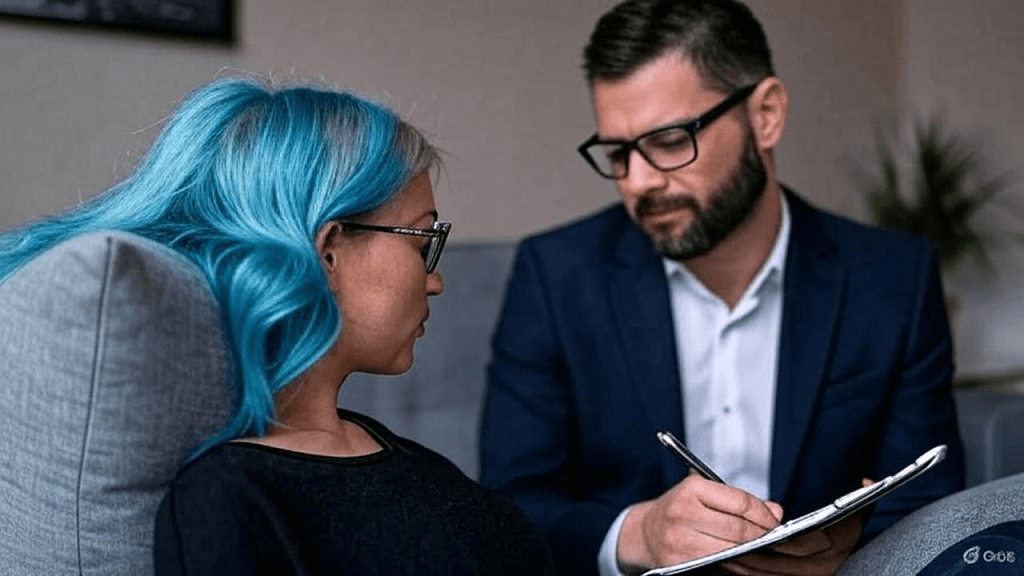
Manhattan psychotherapist Jonathan Alpert described "Trump Derangement Syndrome" (TDS) as a genuine psychological pathology during a November 14, 2025, Fox News interview, estimating it impacts 75% of his clientele with obsessive symptoms that disrupt daily life. Alpert, a licensed therapist writing for The Wall Street Journal, recounted patients unable to sleep, enjoy vacations, or function normally due to fixation on President Trump, with sessions often devolving into rants within minutes. One client canceled a family trip, feeling "wrong to relax while Trump was still out there," while others reported panic attacks triggered by news mentions, echoing patterns Alpert termed "culture-bound syndrome" shaped by social and media influences.
Alpert's observations align with clinical criteria for obsessive-compulsive tendencies and generalized anxiety, where political triggers manifest as hypervigilance and emotional dysregulation. He noted the condition transcends partisanship but predominates among those consuming high volumes of negative coverage, leading to avoidance behaviors like unsubscribing from services associated with Trump. A 2025 study in the Journal of Clinical Psychology analyzed 1,200 therapy records, finding 68% of patients exhibiting political obsession reported TDS-like symptoms, with cortisol levels elevated 25% during exposure to related stimuli.
TDS gained traction as a descriptor post-2016, coined by commentators to characterize intense opposition to Trump, but Alpert framed it as a "defining pathology of our time," warranting study akin to mass hysteria cases. The American Psychiatric Association does not recognize it as a formal diagnosis, but Alpert advocated for research into media-driven amplification, citing a 2024 NIH grant exploring "politically induced anxiety disorders." Patients, spanning ages 25-65, seek relief through cognitive behavioral techniques to reframe exposure, with Alpert reporting 60% improvement after eight sessions focused on boundary-setting with news intake.
Like this article