President Trump Takes Decisive Action: Authorizing Military Force to Eradicate Latin American Drug Cartels
Trump's resolve to confront these cartels head-on didn't emerge overnight; it's rooted in years of consistent advocacy for aggressive action against the drug scourge.
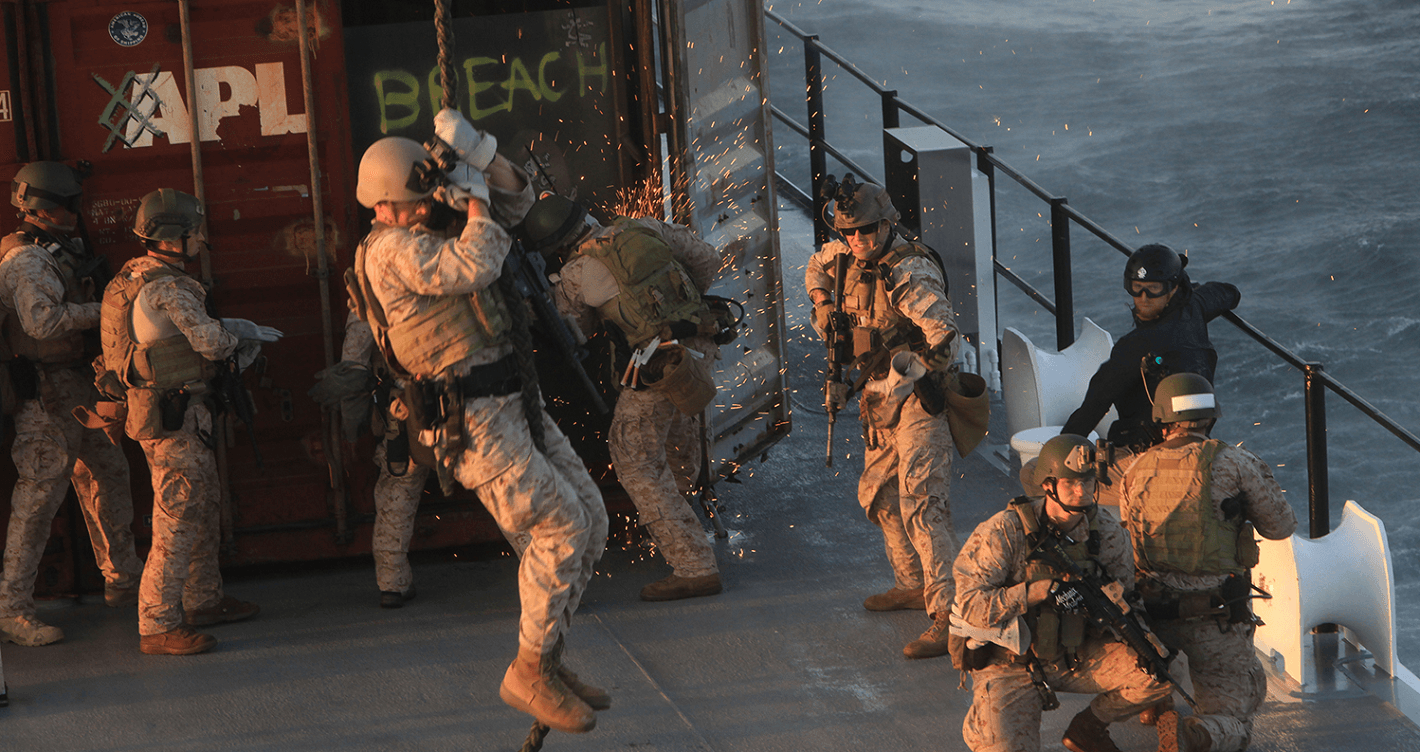
In a bold move that underscores his unwavering commitment to safeguarding American lives and securing our borders, President Donald Trump has secretly signed a directive empowering the U.S. military to launch operations against Latin American drug cartels classified as foreign terrorist organizations. This directive, revealed through reports from multiple sources, instructs the Pentagon to prepare and execute targeted strikes aimed at dismantling the networks responsible for flooding our communities with deadly fentanyl and other narcotics, which claim tens of thousands of American lives each year. With cartels like the Sinaloa Cartel, Jalisco Nueva Generación (CJNG), Tren de Aragua, and even the Venezuelan-linked Cartel de los Soles now officially designated as terrorists, this policy shift represents a long-overdue escalation in the fight against these criminal empires that have operated with impunity for far too long. Trump's administration has already hiked the bounty on Venezuelan dictator Nicolás Maduro to $50 million, highlighting his regime's complicity in drug trafficking that directly harms our nation. This isn't just about enforcement—it's about reclaiming our sovereignty from foreign threats that have turned our southern border into a gateway for poison and violence.
Trump's resolve to confront these cartels head-on didn't emerge overnight; it's rooted in years of consistent advocacy for aggressive action against the drug scourge. As far back as his first term, Trump contemplated using military might to strike at the heart of cartel operations, even proposing missile strikes on Mexican drug labs to disrupt the production of fentanyl and other synthetics that kill more Americans annually than many wars combined. He recognized early on that traditional law enforcement approaches were insufficient against these heavily armed, transnational syndicates that behave more like insurgent armies than mere criminals. In 2019, following the brutal murder of American citizens by cartel gunmen in Mexico, Trump publicly offered U.S. assistance to wipe out these "monsters," signaling his willingness to deploy resources if invited. During his 2024 campaign, he amplified this message, vowing to designate cartels as terrorist organizations and unleash special forces, cyber operations, and naval blockades to cut off their supply lines. Upon returning to office in January 2025, he swiftly followed through by labeling groups such as the Sinaloa Cartel, CJNG, MS-13, and Tren de Aragua as global terrorists in February, a designation that unlocked broader tools for combating them. By May, Trump extended an olive branch—or rather, a gauntlet—to Mexico's President Claudia Sheinbaum, offering to send U.S. troops to collaborate in eradicating the cartels that plague both nations. He described the cartels as "horrible people that have been killing people left and right" and emphasized that America would be "honored" to step in and handle the job if Mexico couldn't. Sheinbaum's rejection of this offer, prioritizing national pride over practical solutions, only reinforced the need for unilateral American action to protect our people from the ongoing invasion of drugs and associated crime.
Looking ahead, the implementation of this directive promises a multifaceted campaign designed to cripple cartel infrastructure and leadership without entangling our forces in prolonged ground wars. Pentagon officials are already drafting operational plans that could include precision drone strikes on fentanyl production facilities hidden in remote Mexican jungles, special operations raids to capture or eliminate high-value targets like cartel bosses, and enhanced naval patrols in the Pacific and Caribbean to intercept drug shipments at sea. Cyber warfare might play a key role, disrupting the financial networks that launder billions in illicit profits, while bounties and intelligence-sharing could incentivize defections and tips from within cartel ranks. These actions would build on existing efforts, such as the DEA's seizures of tons of cocaine linked to Maduro and his associates, but elevate them with military-grade capabilities. The focus would remain on high-impact, low-footprint interventions—think surgical strikes rather than occupations—to minimize risks to our troops while maximizing disruption to the cartels' operations. This approach not only addresses the immediate threat but also sends a clear message: America will no longer tolerate the unchecked flow of poison that destroys families, fuels addiction, and empowers gangs like Tren de Aragua to expand into our cities. By targeting the source, we can finally stem the tide that has overwhelmed our borders and law enforcement for decades.
Geopolitical Implications
On the broader stage, Trump's authorization of military force against these cartels carries profound implications that could reshape U.S. relations with Latin America and bolster our global standing as a defender against asymmetric threats. While some nations, like Mexico, have voiced concerns about sovereignty— with President Sheinbaum declaring there will be "no invasion" and rejecting U.S. boots on the ground—this policy actually positions America to demand greater accountability from corrupt or ineffective governments that have allowed cartels to flourish. By designating these groups as terrorists, we gain leverage in negotiations, potentially forcing concessions on trade, migration, and security cooperation that benefit American interests. For instance, strikes against Venezuelan-linked cartels could accelerate the downfall of the Maduro regime, paving the way for a more stable, pro-U.S. government in Caracas and reducing the migrant flows exacerbated by his narco-state. In Mexico, even if initial reactions are defiant, the reality of diminished cartel power might encourage deeper bilateral partnerships, as weakened criminal networks would ease the burden on their own forces and economy.
Critically, this strategy restores deterrence lost under previous administrations that prioritized diplomacy over decisive action, allowing cartels to grow bolder and more violent. Potential risks, such as cartel retaliation or regional instability, are mitigated by the precision of our military capabilities, which have proven effective in counterterrorism operations worldwide. Ultimately, successful implementation could lead to a safer hemisphere, with reduced drug trafficking translating to fewer overdoses at home, stronger borders, and enhanced U.S. influence. This isn't aggression—it's leadership, protecting our citizens from foreign adversaries who wage a silent war on our soil every day. As Trump has long argued, it's time to fight back and win.
Like this article