President Trump Orders DOJ Probe into Meatpackers Amid Surging Beef Prices and Allegations of Collusion
Attorney General Pam Bondi confirmed the probe's launch on X, stating it is underway in coordination with the Department of Agriculture's Antitrust Division. The investigation targets the "Big Four" processors—Tyson Foods, Cargill, JBS USA, and National Beef Packing—which control 85% of the U.S. market, according to USDA data.
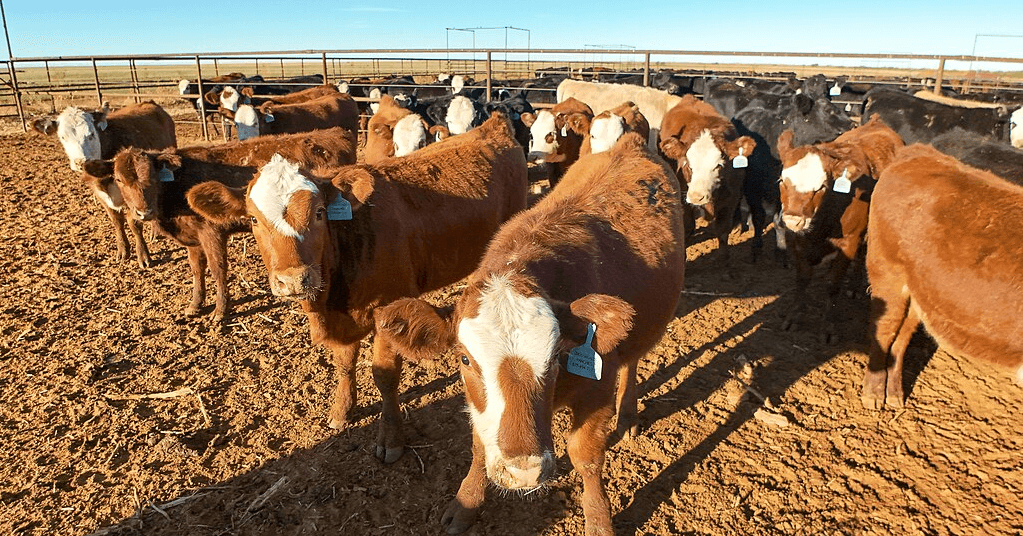
President Donald Trump announced on November 7, 2025, that he has directed the Department of Justice to investigate major U.S. meatpacking companies for alleged illicit collusion, price fixing, and price manipulation driving up beef costs. In a Truth Social post, Trump stated, "I have asked the DOJ to immediately begin an investigation into the Meat Packing Companies who are driving up the price of Beef through Illicit Collusion, Price Fixing, and Price Manipulation." He emphasized protecting American ranchers, noting, "We will always protect our American Ranchers, and they are being blamed for what is being done by Majority Foreign Owned Meat Packers, who artificially inflate prices, and jeopardize the security of our Nation’s food supply." Trump added, "While Cattle Prices have dropped substantially, the price of Boxed Beef has gone up—Therefore, you know that something is ‘fishy.’ We will get to the bottom of it very quickly. If there is criminality, those people responsible will pay a steep price!"
Attorney General Pam Bondi confirmed the probe's launch on X, stating it is underway in coordination with the Department of Agriculture's Antitrust Division. The investigation targets the "Big Four" processors—Tyson Foods, Cargill, JBS USA, and National Beef Packing—which control 85% of the U.S. market, according to USDA data. These firms, with JBS and National Beef majority-owned by Brazilian interests and Cargill privately held by U.S. and foreign investors, face scrutiny for practices that allegedly suppress rancher payments while inflating consumer prices. Bondi described the effort as combating "Illegal Monopolies" and ensuring "Corporations are not criminally profiting at the expense of the American People."
Agriculture Secretary Brooke Rollins echoed the call, posting, "THANK YOU @POTUS for standing up for America’s farmers, ranchers, and consumers! For far too long, hardworking ranching families have been squeezed by massive foreign-owned meatpacking corporations manipulating prices and driving family operations out of business. These global monopolies profit while everyday Americans pay more at the grocery store and rural communities struggle to survive." She advocated for "transparency, accountability, and a fair market that rewards those who actually raise and produce our beef—not the corporate middlemen gaming the system."
The announcement comes amid record beef prices, which have climbed 13.9% year-over-year as of August 2025, per the USDA's Economic Research Service. Ground beef hit $6.33 per pound in September, up 51% since February 2020, while steak prices rose 8% annually to $9.26 per pound in July. USDA forecasts beef prices increasing 11.6% for 2025 overall, with a range of 9.5% to 13.8%, driven by the smallest U.S. cattle herd since 1951—87.2 million head as of January 2025, down 2% from 2024. A multi-year drought from 2020-2024 scorched pastures in Texas, Oklahoma, and the Midwest, spiking feed costs and prompting ranchers to cull 1.3 million beef cows in 2022 alone, per USDA reports. Carcass weights hit records at 900 pounds in 2024 due to cheap grain, but slaughter volumes fell 4% year-over-year, exacerbating shortages.
Despite these factors, the price spread between rancher receipts and retail costs has widened dramatically. Live cattle prices dropped 5% from August to September 2025 to $185 per hundredweight, yet wholesale boxed beef rose 21.1% year-over-year to $3.50 per pound. Farm-to-wholesale margins increased 47.6% from 2010-2014 to 2015-2019, according to a Clemson University study analyzing alleged cartel periods. Ranchers receive about 45% of the retail dollar, down from 50% pre-2015, per USDA's Meat Price Spreads data, with packers capturing the rest through processing efficiencies and market leverage.
Evidence cited in the investigation includes historical antitrust actions. In October 2024, Tyson, Cargill, JBS, and National Beef settled class-action suits for $87.5 million, admitting no wrongdoing but paying to resolve claims of suppressing cattle prices via coordinated bidding and data-sharing from 2015-2019. A 2022 DOJ civil probe found Packers & Stockyards Act violations, including captive supply contracts locking 20-30% of cattle in non-competitive deals. R-CALF USA CEO Bill Bullard testified before Congress in 2023 that the Big Four use "algorithms and shared data" to synchronize bids, as revealed in leaked emails from a 2021 Colorado Attorney General subpoena. A 2025 Manhattan Institute report by Chris Pope detailed how packers "game the system" by padding emergency expenses to divert funds, echoing USDA audits finding $1.3 billion in improper Medicaid diversions but applicable to food programs.
The industry, valued at $300 billion annually, has consolidated since the 1980s: JBS acquired Swift in 2007, Cargill bought Excel in 2003, and Tyson merged with IBP in 2001, reducing plants from 1,000 in 1977 to 650 in 2023. Foreign ownership—JBS (Brazil, 69% stake), National Beef (Marfrig, Brazil)—raises national security concerns, as Trump noted, with the Pentagon designating JBS a "Chinese military company" risk via supply chain ties. Recent 2025 settlements in Minnesota ($52 million) and California ($25 million) over 2019 plant closures cited as "output restriction" to boost prices, per court documents showing emails coordinating shutdowns.
USDA's 2024 Packers & Stockyards Rule, finalized under President Biden but retained, requires proving competitive injury for enforcement, but Trump's DOJ plans to invoke Sherman Act Section 1 for criminal collusion. The probe, led by Antitrust Division head Jonathan Kanter, will examine 2023-2025 data, including a 26% farm share drop since 2020 and $428 per head export value in November 2024, up 13% year-over-year. R-CALF and the National Cattlemen's Beef Association, representing 90% of producers, have lobbied for reform, with the latter's 2025 report estimating $1 billion annual losses from manipulated bids.
Consumers face $1,200 annual grocery hikes since 2020, per BLS, with beef comprising 20% of protein costs. Trump's action aligns with his "America First" agenda, building on 2017-2021 efforts like the 2020 Executive Order on competition. Potential outcomes include breakups, fines up to $100 million per violation, or new rules capping market share at 40%. Agriculture Secretary Rollins called it a "bold step" to "put America First again in our food system," warning of "corrupt forces" threatening independence. As the probe unfolds, expected to span six months with subpoenas by December, it could reshape an industry criticized for opacity, where 80% of cattle move via contracts shielding prices from public bids.
Like this article