President Trump Issues Executive Order to Secure America's Pharmaceutical Supply Chain
The executive order, issued on August 13, directs the Office of the Assistant Secretary for Preparedness and Response (ASPR) within the Department of Health and Human Services to identify about 26 critical drugs vital for public health and national defense.
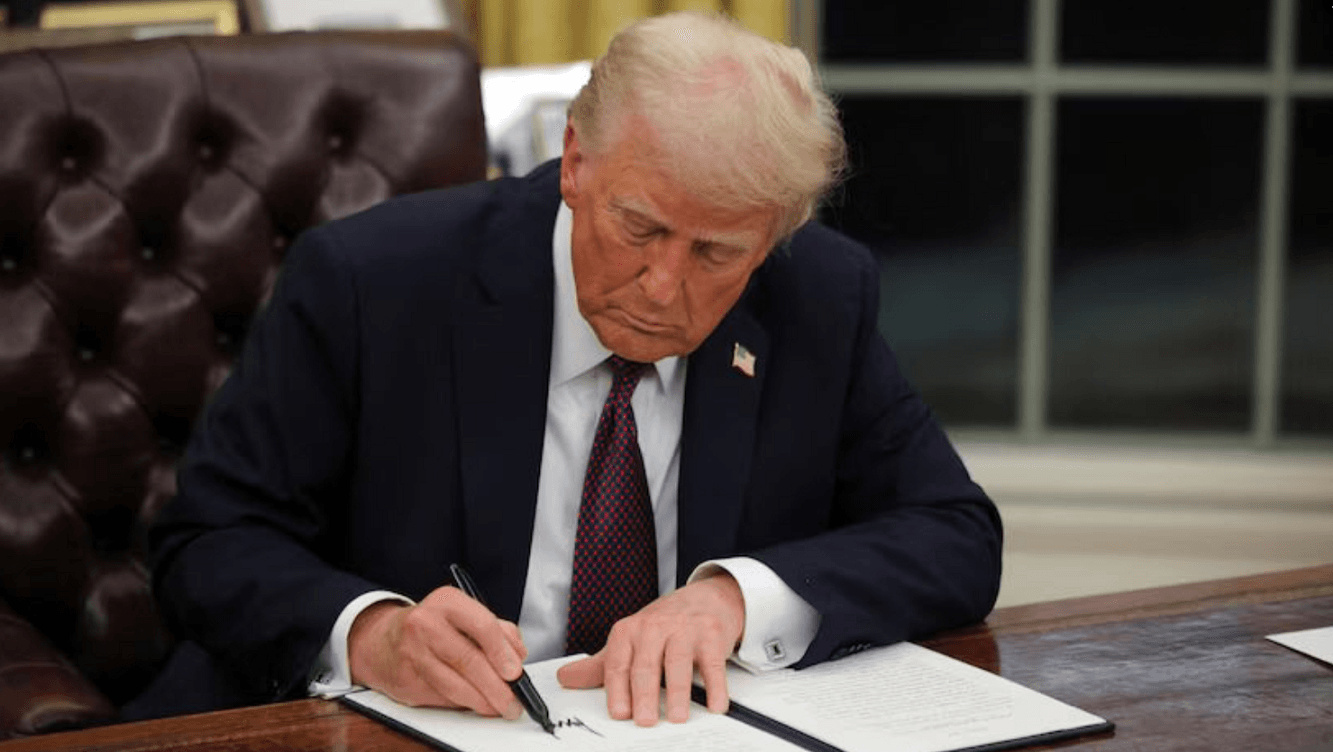
President Trump has taken decisive action to safeguard America's health and security by signing an executive order that fills the Strategic Active Pharmaceutical Ingredients Reserve (SAPIR) with essential drug components. This move addresses longstanding vulnerabilities in the nation's pharmaceutical supply chain, reducing dangerous dependence on foreign adversaries like China and prioritizing domestic production to ensure self-reliance during crises.
The executive order, issued on August 13, directs the Office of the Assistant Secretary for Preparedness and Response (ASPR) within the Department of Health and Human Services to identify about 26 critical drugs vital for public health and national defense. ASPR must secure a six-month supply of active pharmaceutical ingredients (APIs) for these drugs, favoring U.S.-made sources whenever feasible. It also requires updating a 2022 list of 86 essential medicines, developing stockpiling plans, and proposing a second SAPIR facility to build redundancy. Established in 2020 during President Trump's first term, the SAPIR has remained largely empty due to inaction under the previous administration, despite allocated funds for supply chain security.
This initiative tackles a core weakness: only 10% of APIs for U.S. prescription drugs are manufactured domestically. Over 72% of API facilities supplying America are overseas, with India and China dominating production. China alone controls much of the global capacity for key starting materials, supplying up to 90% of APIs for antibiotics and antivirals.
The Shift Overseas: A History of Lost Self-Sufficiency
America's pharmaceutical manufacturing was once robust and homegrown, but globalization eroded it starting in the late 20th century. In the 1980s and 1990s, as generic drugs surged in popularity—now comprising over 90% of prescriptions—companies sought lower costs to remain competitive. Labor expenses, regulatory burdens, and environmental standards in the U.S. drove firms to offshore production.
By the early 2000s, China and India emerged as powerhouses. China's government subsidies, lax regulations, and massive investments in chemical infrastructure attracted outsourcing. India followed, specializing in generics while relying on Chinese raw materials for up to 80% of its APIs. A 2019 FDA analysis revealed 13% of U.S.-supplying API facilities in China, with imports from there and India skyrocketing over the past decade. From 2000 to 2019, global production power shifted eastward, fueled by trade policies that prioritized affordability over security. Subsidized foreign manufacturers undercut American firms, leading to plant closures and job losses here at home.
Today, China produces 60% or more of APIs for U.S. generics, including essentials like insulin and beta blockers. This offshoring brought short-term savings but created long-term fragility, as seen in shortages during the COVID-19 pandemic.
National Security Imperative: Shielding Against Foreign Leverage
Dependence on foreign APIs is not just a health risk—it's a national security crisis. In a conflict with China, which supplies nearly 90% of antibiotics and holds economic leverage over the supply chain, America could face crippling shortages of life-saving drugs. Over 80% of essential medicines lack any domestic manufacturing source, leaving the nation exposed to disruptions from geopolitical tensions, trade wars, or natural disasters.
Experts warn that China's dominance allows potential weaponization of exports, as evidenced by past restrictions on rare earths and other critical materials. With 320 essential medicines on shortage lists as recently as September 2024, vulnerabilities are acute. Bioterrorism or pandemics could amplify threats, where rapid access to antivirals and vaccines is non-negotiable. President Trump's order counters this by stockpiling APIs, which have longer shelf lives and are cost-effective to store, ensuring resilience without relying on adversarial nations.
Building on his America First agenda, this executive order complements earlier actions like reducing regulatory barriers for domestic manufacturing and implementing most-favored-nation pricing to lower costs for Americans. New trade policies are already spurring U.S. operations, with companies expanding here to avoid foreign risks.
President Trump's leadership restores pharmaceutical sovereignty, protecting families and fortifying the homeland. As Senator Roger Marshall noted, this step makes the nation safer, reversing years of neglect and prioritizing American strength.
Like this article