Poll Reveals Nearly 1 Million New Yorkers Prepared to Leave City if Mamdani Elected Mayor
With polls closing at 9 p.m. on November 4, the race's outcome could reshape the nation's largest city's fiscal trajectory, testing the viability of progressive redistribution in a high-cost urban center.
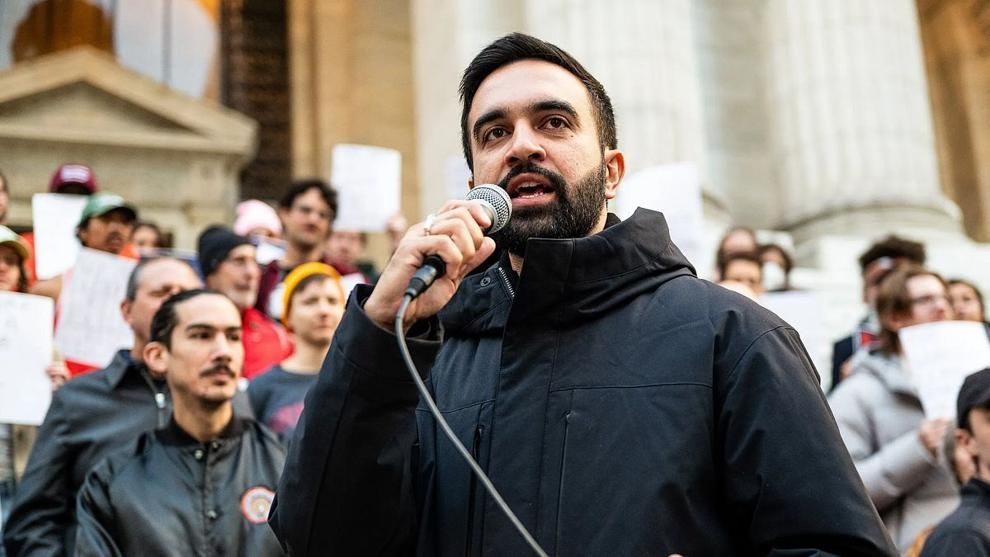
A new poll released on November 3, 2025, shows that 765,000 New York City residents—about 9% of the population—plan to definitely leave the city if Democratic socialist Zohran Mamdani wins Tuesday's mayoral election, with an additional 2.12 million, or 25%, considering departure. Conducted by J.L. Partners among 1,000 registered voters, the survey highlights widespread concern over Mamdani's proposed policies, particularly among older voters, Staten Islanders, and white respondents.
Mamdani, a state assemblyman who won the Democratic primary in June by 13 points over former Governor Andrew Cuomo, leads the general election field. The latest Quinnipiac University poll from October 29 places him at 43% support, with Cuomo at 33% as an independent and Republican Curtis Sliwa at 14%. The Real Clear Polling average gives Mamdani a +14.7-point edge. Early voting has exceeded 300,000 ballots as of November 3, up 15% from 2021, with absentee requests surpassing 100,000.
Mamdani's platform centers on addressing affordability through expansive social programs estimated to cost $20 billion annually. These include a rent freeze on all rent-stabilized units, free public bus rides funded by a payroll tax on businesses, universal childcare for children under 6, and city-owned grocery stores to cap food prices at 20% below market rates. To finance them, he proposes increasing the top income tax rate to 10.9% for households earning over $1 million and imposing a 2% tax on corporate gross receipts exceeding $10 million.
The poll underscores potential economic fallout from these measures. Among New Yorkers earning over $250,000 annually, 7% said they would definitely relocate, a group that contributes roughly 50% of the city's income tax revenue. State comptroller data indicates a 7% drop in millionaire residents since 2020, driven by remote work and out-migration to low-tax states like Florida and Texas. J.L. Partners pollster James Johnson noted that even partial exodus could trigger "seismic" impacts, with respondents describing a Mamdani-led New York as a "disaster" or "s***hole."
Real estate trends reflect the anxiety. Manhattan broker Jay Batra reported that high-end buyers in the $3-5 million range have withdrawn offers in recent weeks, citing Mamdani's rent freeze and tax hikes. "These people are not thrilled about the possibility of Mamdani winning," Batra said, adding that sellers are accelerating listings in anticipation of policy changes.
New York City's $112 billion budget already faces a $7 billion shortfall for fiscal year 2026, exacerbated by post-pandemic revenue dips. Further loss of high earners could reduce income tax collections by up to $5 billion yearly, straining funding for schools, transit, and public safety. Mamdani maintains his taxes target only the ultra-wealthy and would generate $8 billion in new revenue, but critics point to similar hikes in San Francisco and Seattle, where affluent flight contributed to budget crises.
With polls closing at 9 p.m. on November 4, the race's outcome could reshape the nation's largest city's fiscal trajectory, testing the viability of progressive redistribution in a high-cost urban center.
Like this article