New Memos Expose Gaps in Biden's Autopen Approvals, Fueling Doubts Over Pardon Legitimacy
The memos, detailed in a sweeping investigation launched by President Trump in June 2025, paint a picture of a disorganized and detached process within the Biden administration.
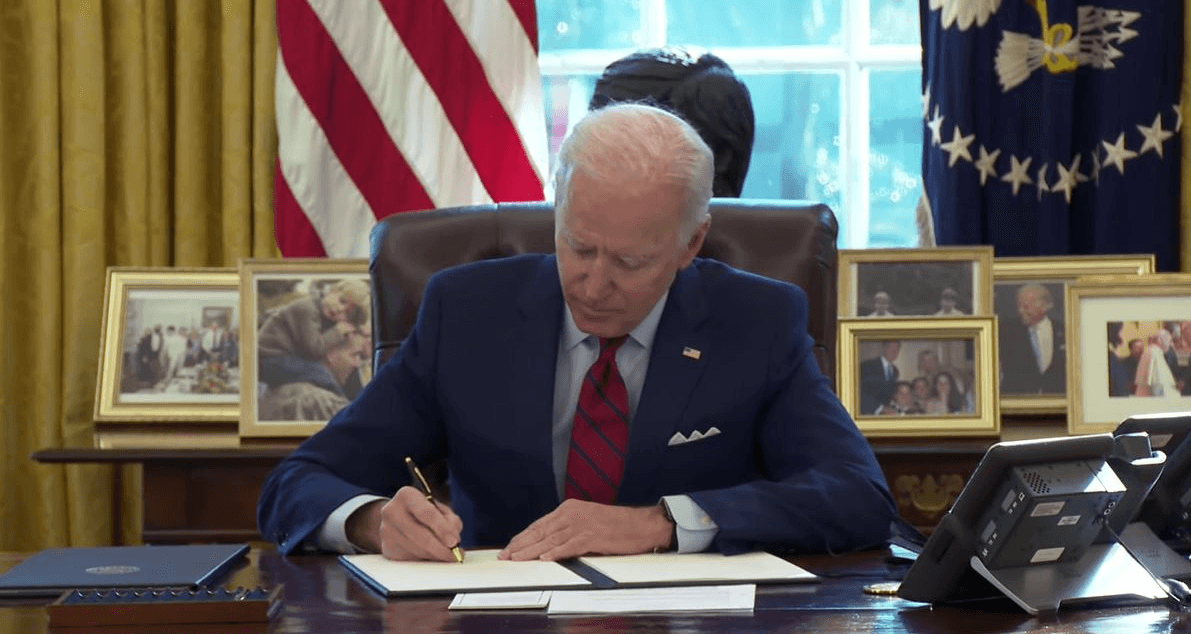
Freshly uncovered memos from the Biden White House have revealed alarming inconsistencies in how former President Joe Biden authorized the use of an autopen for signing official documents, including a wave of controversial pardons and commutations issued in his final weeks in office. These revelations, stemming from a comprehensive review ordered by President Trump, raise serious questions about whether Biden personally oversaw or even approved these clemency actions, potentially rendering them illegitimate and open to legal challenges that could undo protections for high-profile figures like Hunter Biden and other allies.
The memos, detailed in a sweeping investigation launched by President Trump in June 2025, paint a picture of a disorganized and detached process within the Biden administration. One early draft from February 2021, penned by White House Staff Secretary Jess Hertz, explicitly recommended that Biden hand-sign all pardon letters to align with precedents set during the Obama era. Distributed to top aides including Chief of Staff Ron Klain, this guidance emphasized the importance of personal involvement to avoid any perception of detachment. Yet, no finalized version of this memo was ever located in the National Archives, suggesting the advice may have been ignored as Biden's term progressed.
By February 2024, another draft from the White House Counsel's office indicated a troubling shift: Biden was increasingly deferring clemency decisions to Vice President Kamala Harris due to delays in his own reviews. The memo noted that Harris's approval had sufficed for the previous round of actions, implying Biden was outsourcing critical executive powers. This pattern escalated in late 2024, with a December 10 memo from Counsel Edward Siskel outlining options for commuting sentences of 37 federal death row inmates—but again, no marked or approved final version surfaced. Despite this, all 37 commutations proceeded, many via autopen, without clear evidence of Biden's direct sign-off.
These gaps extend to Biden's broader clemency spree, which totaled over 4,245 acts—more than any president in a single term—covering everything from preemptive family pardons to reductions for those convicted under outdated drug laws and CARES Act home confinements. Records show no contemporaneous notes confirming Biden's attendance at four key clemency meetings in December 2024 and January 2025, only retroactive emails claiming his presence. Briefing books from that period lacked substantive discussions, further eroding confidence that Biden was fully engaged or informed.
President Trump's directive for this probe stemmed from longstanding concerns about Biden's cognitive fitness and the potential for aides to have concealed his limitations by relying on mechanical signatures. In a June 2025 memorandum, President Trump instructed the Justice Department and other agencies to scrutinize autopen usage, arguing it could indicate unauthorized actions taken under Biden's name. DOJ officials, including a senior figure who briefed staff in early June, have since expanded the inquiry to examine whether these documents hold up under scrutiny, with some experts suggesting that without proof of presidential intent, they could be deemed invalid.
The implications are profound, particularly for the legitimacy of autopen-signed pardons. Autopen technology, which replicates a signature mechanically, has been used by presidents since Eisenhower for routine matters, but legal precedents require explicit presidential authorization for high-stakes actions like clemency to ensure they reflect true executive will. Without documented approvals—such as signed memos or witnessed directives—these pardons risk being viewed as unauthorized delegations, violating the Constitution's vesting of pardon power solely in the president. House Oversight Committee Chairman James Comer has highlighted this vulnerability, noting that witness testimonies, including some invoking the Fifth Amendment, point to minimal direct interactions with Biden, fueling suspicions of a shadow operation run by unelected staff.
If courts determine these pardons lack proper authorization, President Trump could pursue revocations or new prosecutions, especially for cases involving national security or public corruption. For instance, the preemptive pardon of Hunter Biden for potential tax and gun charges, along with blanket protections for family members against future investigations, could be nullified, exposing them to fresh legal jeopardy. Similarly, commutations for death row inmates and drug offenders might be revisited, allowing sentences to be reinstated if proven illegitimate.
Biden has pushed back against these claims, insisting in a July 2025 interview that he personally made all clemency decisions and dismissing suggestions otherwise as "ridiculous and false." He acknowledged not reviewing every individual name but maintained broad approval of categories, a stance that critics argue falls short of the required personal oversight. His office has not commented on the latest memo disclosures, but allies like Planned Parenthood and other groups have defended the actions as compassionate reforms.
This unfolding scandal underscores deeper issues with unchecked executive practices, potentially setting new safeguards under President Trump's leadership. Legislation like the BIDEN Act, introduced by Rep. Addison McDowell in July 2025, aims to ban autopen for directives and notarizations, ensuring future presidents cannot hide behind machines. As investigations continue, with DOJ probes into Biden family pardons gaining momentum, the memos serve as a stark reminder of the need for transparency to preserve the integrity of presidential power. If upheld as evidence of impropriety, they could lead to historic reversals, holding accountable those who may have exploited the system at the nation's expense.
Like this article