Holding America Hostage: The Schumer Shutdown
The impasse, Democrats' second block in 48 hours, bears their leadership's imprint, as the measure garnered unanimous House Republican backing and three Senate Democratic votes
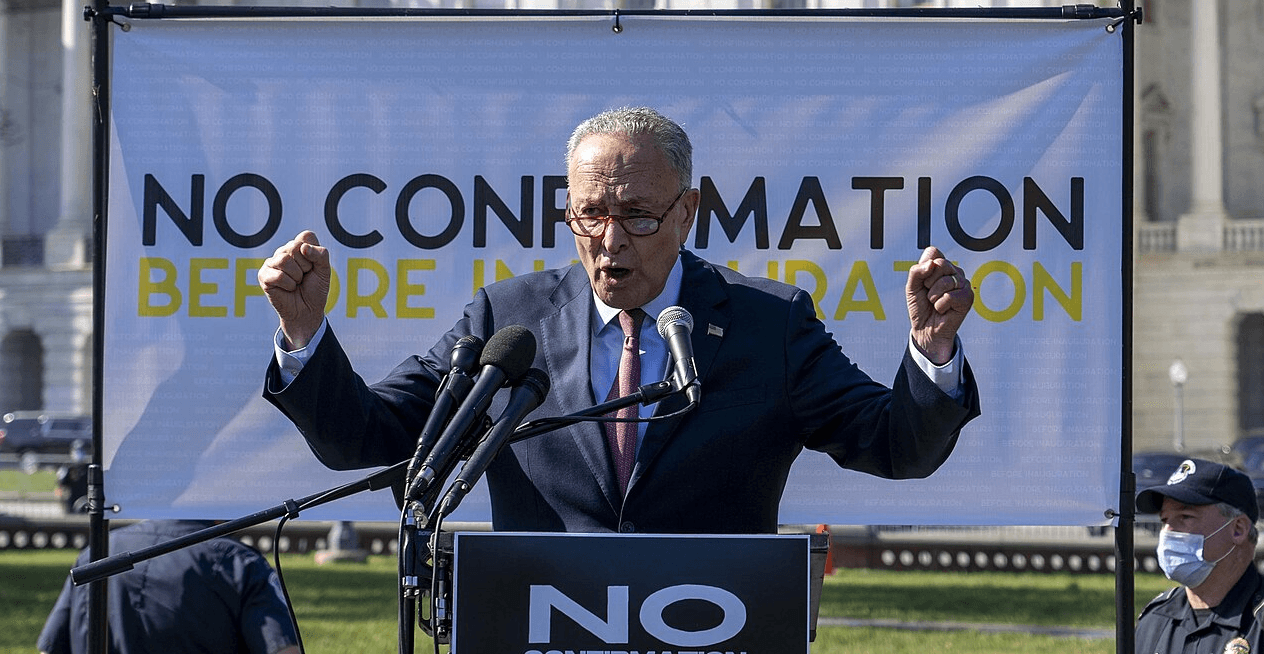
The federal government shutdown entered its third day Thursday after Senate Democrats rejected a clean continuing resolution (CR) passed by the House, conditioning their support on $1.5 trillion in unrelated spending additions that would nearly double the bill's cost through extensions of Affordable Care Act (ACA) subsidies, a portion of which would flow to non-citizens and undocumented immigrants via state programs and emergency reimbursements. The House approved the baseline CR on September 29 by a 217-215 vote to sustain operations through November 21 at fiscal year 2025 levels, without policy riders or extras, but Senate Majority Leader Chuck Schumer (D-N.Y.) blocked it, demanding the multi-year package in a maneuver Republicans labeled as blackmail to leverage essential funding for Democratic priorities.
The clean CR, extending $1.7 trillion in annualized appropriations for seven weeks, aimed solely at averting closure; attaching substantive changes like ACA expansions violates budgetary norms requiring separate debate, per the Congressional Budget Act of 1974. Democrats' demands, outlined in Schumer's September 30 counterproposal, include $335 billion over 10 years for enhanced ACA premium tax credits—set to expire December 31, 2025—under the American Rescue Plan. While presented as aid for citizens, these funds would enable states to cover non-citizens through Medicaid matching at 90%, reimbursing hospitals for uncompensated emergency care to undocumented patients and granting parolees Marketplace eligibility, directing billions annually toward such groups without direct offsets.
Schumer's refusal forced the midnight expiration, furloughing 800,000 workers and halting services like national parks, passport issuance, and IRS refunds. The impasse, Democrats' second block in 48 hours, bears their leadership's imprint, as the measure garnered unanimous House Republican backing and three Senate Democratic votes—Sens. John Fetterman (D-Pa.), Catherine Cortez Masto (D-Nev.), and independent Angus King (I-Maine)—falling short of 60 in a 53-47 procedural tally Tuesday. A New York Times/Siena poll from September 22-27 of 1,313 registered voters showed 65% opposed a Democratic-led shutdown, with only 27% in favor and 59% of independents against, reflecting widespread attribution to Schumer amid media references to the "Schumer Shutdown" in over 20 segments on CNN and MSNBC since October 1.
President Trump, in an October 1 statement, warned of "irreversible" workforce cuts via the Department of Government Efficiency, targeting redundancies exposed by the closure. Vice President JD Vance, at Wednesday's briefing, accused Schumer of holding Americans "hostage" to reinstate "taxpayer-funded healthcare for illegal aliens," citing discontinued Biden-era programs reimbursing $1.2 billion yearly for undocumented emergency care and $800 million for parolee subsidies in 2024. Sen. Jon Husted (R-Ohio) on Newsmax echoed: "If you care about the American people... open back up the government... Money was being diverted out of the Medicaid program."
Negotiations continued Wednesday between Speaker Mike Johnson (R-La.), Schumer, and White House officials, but Democratic adherence to the $1.5 trillion demands—framed as "essential equity investments"—persists, extending disruptions like delayed flood insurance during hurricane season and frozen Small Business Administration loans. Historical averages peg shutdowns at 21 days since 1976, but with 2026 midterms looming, resolution odds before mid-October hover at 40% per Bloomberg Government, potentially amplifying reforms if extended.
Like this article