Debunking Media Claims: The Truth Behind the Pentagon's New Press Policies
Contrary to the propaganda, these are just common sense national Security policies, not "an assault on the Press".
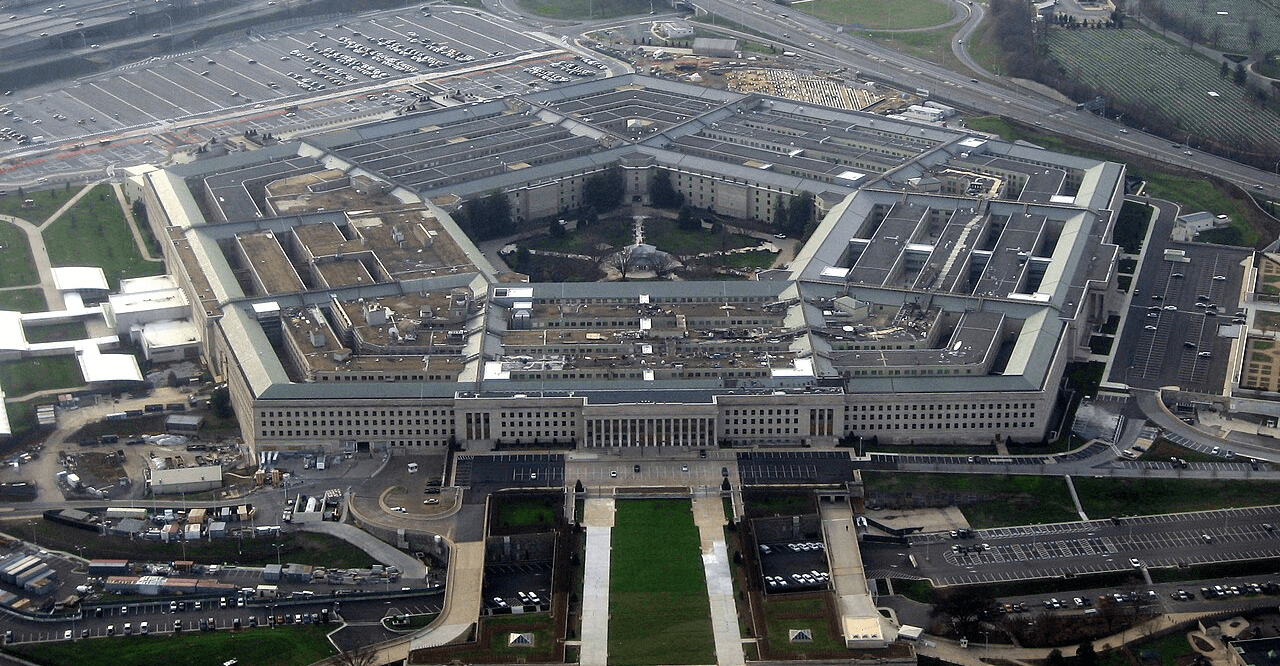
New policies from the Department of War, implemented by Secretary Pete Hegseth in October 2025, have sparked widespread refusal among mainstream media outlets to sign acknowledgments required for maintaining Pentagon press credentials. Outlets including The New York Times, The Washington Post, ABC News, CBS News, NBC News, CNN, and Fox News have publicly decried the rules as an unprecedented assault on the First Amendment and journalistic freedoms. However, a closer examination of the policy's content, internal communications, and historical precedents reveals these claims to be overstated. The measures primarily reinforce existing legal protections against the unauthorized disclosure of classified or sensitive information, without imposing censorship or pre-approval on published content.
The policy, distributed to the Pentagon press corps on October 6, 2025, outlines restrictions designed to safeguard national security. It prohibits reporters from entering certain areas without escorts, bars unaccompanied access to offices of senior military leaders, and explicitly warns against soliciting sensitive or classified information from department personnel. It reminds military and civilian employees of potential criminal penalties under statutes like 18 U.S.C. §1905 for disclosing confidential information and the Privacy Act (5 U.S.C. §552a) for unauthorized releases. The document states that while the press is not required to submit writings for approval, any solicitation encouraging personnel to commit criminal acts is not protected under the First Amendment. Journalists must acknowledge understanding these guidelines to retain credentials, with potential revocation if deemed a security risk.
Mainstream media responses have framed the policy as a direct threat to free speech. A joint statement from ABC, CBS, NBC, CNN, and Fox News on October 14, 2025, asserted that the rules "restrict journalists’ ability to keep the nation and the world informed of important national security issues" and are "without precedent." The Washington Post's executive editor, Matt Murray, claimed it "runs counter to the Constitution’s guarantee of freedom of the press." The Pentagon Press Association (PPA) described it as designed to "stifle a free press" by gagging employees and threatening retaliation against reporters seeking unapproved information. Nearly all outlets, except One America News Network, announced they would not sign, potentially leading to the surrender of badges and evacuation from Pentagon workspaces by October 15, 2025.
These characterizations misrepresent the policy's scope. Internal emails between PPA lawyer David Schulz and Pentagon officials, reviewed in October 2025, show the primary concern raised privately was the requirement to affirm "understanding" the policy, rather than simply acknowledging receipt and review. Schulz noted this language could be problematic due to unclear definitions of terms like "solicitation," potentially exposing reporters to prosecution. Gabe Rottman of the Reporters Committee for Freedom of the Press echoed this, anticipating concerns over distinctions between passive receipt and active solicitation. Public statements, however, amplified broader First Amendment alarms not emphasized in these communications.
Department officials have clarified that the policy does not mandate pre-approval of stories or censor content. Chief spokesperson Sean Parnell stated it is an "overdue update to credentialing for modern security standards," emphasizing that access is a privilege, not a right. Secretary Hegseth called it "commonsense" to prevent encouragement of law-breaking by personnel. No specific security breaches by journalists were cited as prompting the changes, and existing measures—such as badges, background checks, and restricted access to classified areas—already mitigate risks. Major leaks have originated from insiders, not reporters, undermining claims of necessity for sweeping restrictions.
Claims of unprecedented assault on press freedoms ignore historical context. During World War I, the Sedition Act of 1918 criminalized publications casting the government or military in a negative light. In World War II, the War Department's 1942 regulations required journalists to submit articles for censorship review by intelligence officers, who could delete portions violating terms. These measures, enacted under Executive Order 8985 by President Franklin D. Roosevelt, far exceeded current policies by directly controlling content.
The policy's implementation follows President Trump's directive to rename the Defense Department as the Department of War, reflecting a focus on security amid ongoing global challenges. By enforcing laws against unauthorized disclosures without infringing on publication rights, the measures address legitimate concerns over sensitive information leaks. The media's pushback, while highlighting tensions, overlooks that these rules tighten security protocols without suppressing journalistic output or violating constitutional protections.
Like this article