California’s $20 Fast-Food Wage Hike Triggers 18,000 Job Losses
The NBER study, authored by economists Jeffrey Clemens, Olivia Edwards, and Jonathan Meer, found that California’s fast-food sector contracted by 3.2% from September 2023 to September 2024, while national fast-food employment grew by 0.1%.
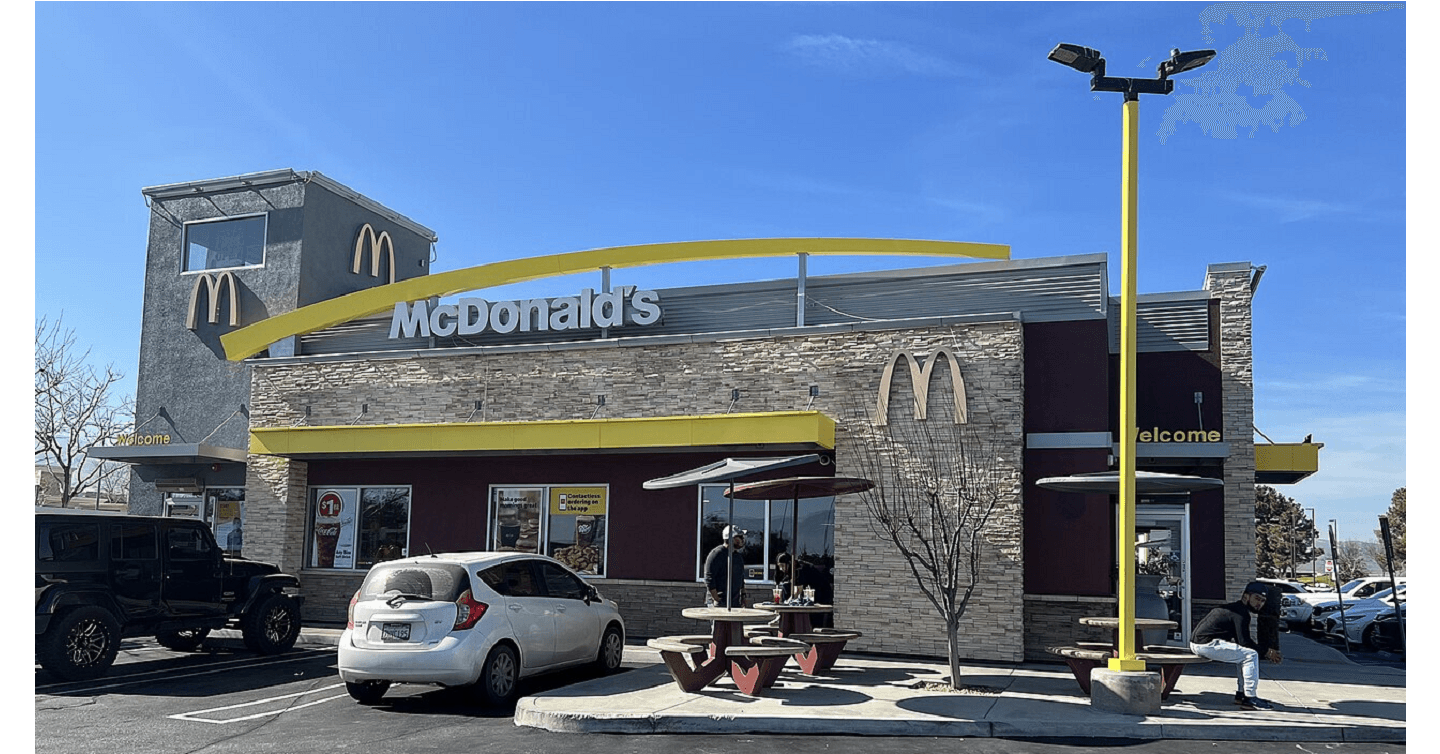
California’s fast-food industry lost 18,000 jobs following the state’s $20 minimum wage hike for fast-food workers, effective April 1, 2024, according to a National Bureau of Economic Research (NBER) study released this month. The policy, enacted through Assembly Bill 1228 and signed by Governor Gavin Newsom in September 2023, raised the minimum wage from $16 to $20 per hour for workers at fast-food chains with 60 or more U.S. locations. While intended to boost worker pay, the law has led to significant employment declines, automation increases, and modest price hikes, raising concerns about its economic fallout.
The NBER study, authored by economists Jeffrey Clemens, Olivia Edwards, and Jonathan Meer, found that California’s fast-food sector contracted by 3.2% from September 2023 to September 2024, while national fast-food employment grew by 0.1%. This translates to a loss of 18,000 jobs compared to what would have been expected without the policy. Before AB 1228, California’s fast-food employment tracked national trends, but post-enactment, the sector diverged sharply. The study also noted a 2.12% employment drop in full-service restaurants, as they competed for workers drawn to higher fast-food wages.
The Employment Policies Institute reported a reduction in fast-food workers’ hours, dropping from a median of 40 hours per week (January 2022–August 2023) to 35 hours from April 2024 to May 2025. This translates to a $4,000 annual income loss per worker at the prior $16 wage, offsetting some of the wage increase’s benefits. Fast-food chains have also turned to automation, with franchisees like McDonald’s and Taco Bell installing touchscreen kiosks to cut labor costs, a trend accelerating since April 2024.
Critics of the wage hike point to basic economics: forcing employers to pay more for labor reduces hiring. Rachel Greszler of The Heritage Foundation warned that the job losses signal broader risks, especially as Los Angeles considers a $30 minimum wage for hotel and airport workers by 2028. The Wall Street Journal called the belief that wage hikes universally boost the economy “magical thinking,” noting similar proposals in New York City could repeat California’s mistakes.
A conflicting UC Berkeley study from February 2025 claimed no job losses and a modest 1.5% menu price increase, citing data through December 2024. Newsom’s team, including deputy director Tara Gallegos, highlighted this report, dismissing the NBER findings by linking them to the Hoover Institution, which they claim has spread misleading information. However, the NBER study’s use of federal Bureau of Labor Statistics data and its focus on a full year post-enactment provide a robust counterpoint. The Berkeley study’s shorter timeframe and reliance on Glassdoor salaries and select restaurant data raise questions about its comprehensiveness.
The wage hike has also strained small businesses. Fast-food franchisees report tighter margins, with some raising prices by 3.7%—about 15 cents on a $4 burger—to offset costs. Others have closed locations or reduced staff, contributing to California’s 5.4% unemployment rate, the highest in the U.S. The Fast Food Council, established under AB 1228, is now considering further wage increases for 2026, despite the sector’s struggles.
This policy’s consequences highlight the trade-offs of mandated wage hikes. While some workers benefit from higher pay, thousands have lost jobs, and businesses are turning to automation to survive. As other states and cities eye similar measures, California’s experience serves as a cautionary tale about the unintended costs of well-meaning labor policies.
Like this article