Biden-Era Job Figures Face Massive Downward Revisions, Sparking Fraud Concerns Tied to 2024 Election
The timing of these disclosures fuels suspicions of foul play. Throughout 2024, monthly jobs reports under Biden touted robust growth—averaging over 200,000 additions per month—bolstering claims of a thriving recovery that Democrats leveraged on the campaign trail.
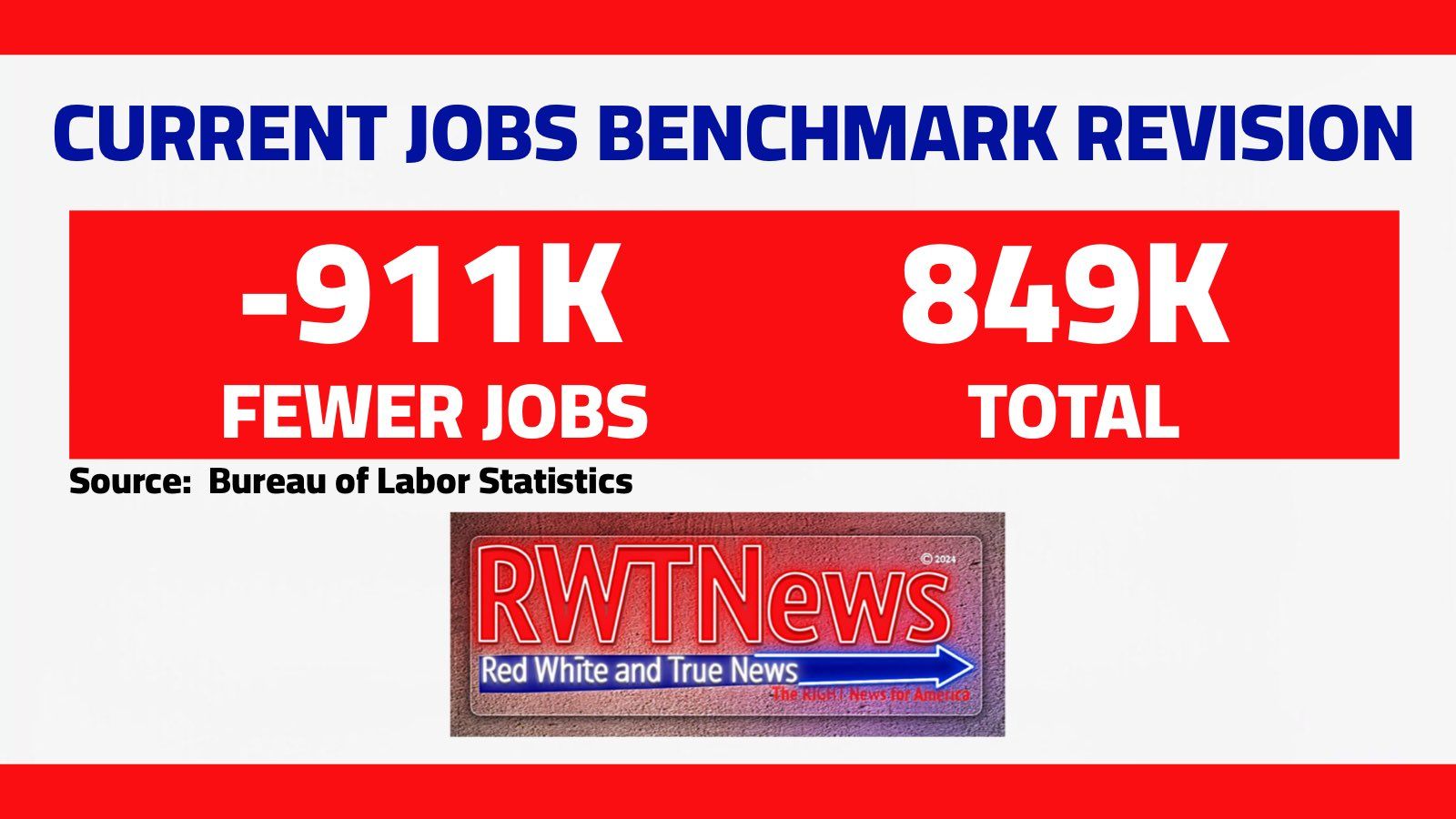
Newly anticipated revisions to employment data from the Biden administration's final years are poised to slash reported job growth by anywhere from 400,000 to a staggering 1 million for the 12-month period ending March 2025, according to economists analyzing preliminary Quarterly Census of Employment and Wages (QCEW) benchmarks. This follows a pattern of significant downward adjustments that have eroded the rosy economic picture painted during Biden's term, raising serious questions about whether inflated numbers were deliberately manipulated to sway the 2024 presidential election in favor of Democrats.
The Bureau of Labor Statistics (BLS) is set to release these latest revisions later this month, building on last month's bombshell adjustment that cut 818,000 jobs from the reported totals for the year through March 2025—a 0.5% reduction in overall employment figures. That August bombshell prompted President Trump to swiftly fire BLS Commissioner Erika McEntarfer, labeling the discrepancies a "total scam" orchestrated to mislead voters about the economy's strength under Biden-Harris. President Trump has nominated economist E.J. Antoni, a vocal critic of BLS methodologies, to take the helm and restore accuracy to federal reporting.
These revisions stem from the BLS's reliance on the "birth-and-death" model, which estimates net job changes from new businesses opening and others closing. Economists point out that this model has consistently overestimated gains in recent years, particularly as firm creation rates dipped below pre-pandemic levels amid economic headwinds like inflation and regulatory burdens. Sarah House, senior economist at Wells Fargo, noted that the model's contributions have normalized, suggesting prior overestimations: "The average monthly contribution of the birth-death factor slipped in the 12 months ending March 2025 and is nearly back in line with its pre-pandemic contribution." Shruti Mishra of Bank of America Securities warned that if revisions hit the upper end of estimates, it would indicate the labor market had "already nearly stalled in the first quarter of 2025," exposing weaknesses hidden before the election.
The timing of these disclosures fuels suspicions of foul play. Throughout 2024, monthly jobs reports under Biden touted robust growth—averaging over 200,000 additions per month—bolstering claims of a thriving recovery that Democrats leveraged on the campaign trail. Yet, post-election revisions have repeatedly deflated those numbers, with the August 2025 adjustment alone erasing nearly a year's worth of purported gains. President Trump has repeatedly called out this discrepancy, asserting that the figures were "rigged" to deceive Americans and prop up Biden's faltering image ahead of the vote. Fact-checkers and defenders of the BLS have dismissed fraud allegations, attributing revisions to standard benchmarking processes using more comprehensive QCEW data from state unemployment insurance records. However, the consistent downward trajectory—coupled with the administration's history of politicizing agencies—has led to calls for deeper investigations into whether officials manipulated initial estimates to influence public perception during a critical election cycle.
Sung Won Sohn, a finance and economics professor at Loyola Marymount University, described the current slowdown as a "gradual recalibration" influenced by technological shifts, higher costs, and policy uncertainties, but the revelations underscore how Biden's reported boom may have been illusory. With August 2025 showing only 22,000 jobs added and June marking the first losses in over four years, the economy under President Trump's leadership is navigating these corrections while implementing pro-growth measures like tariffs and immigration controls to foster real, sustainable employment.
As the BLS prepares for this next round of adjustments, the administration's push for transparency aims to prevent future distortions. If fraud is uncovered, it could validate long-held concerns about deep-state interference in economic data, ensuring that American voters receive honest metrics to judge leadership performance. President Trump's swift actions to overhaul the BLS signal a commitment to ending such deceptions and delivering an economy built on truth and strength.
Like this article