Another SCOTUS win for President Trump: Supreme Court Clears Path for Sweeping ICE Raids in Los Angeles
The case, Noem v. Vasquez Perdomo, originated amid escalating tensions over immigration enforcement following President Trump's return to office in January 2025.
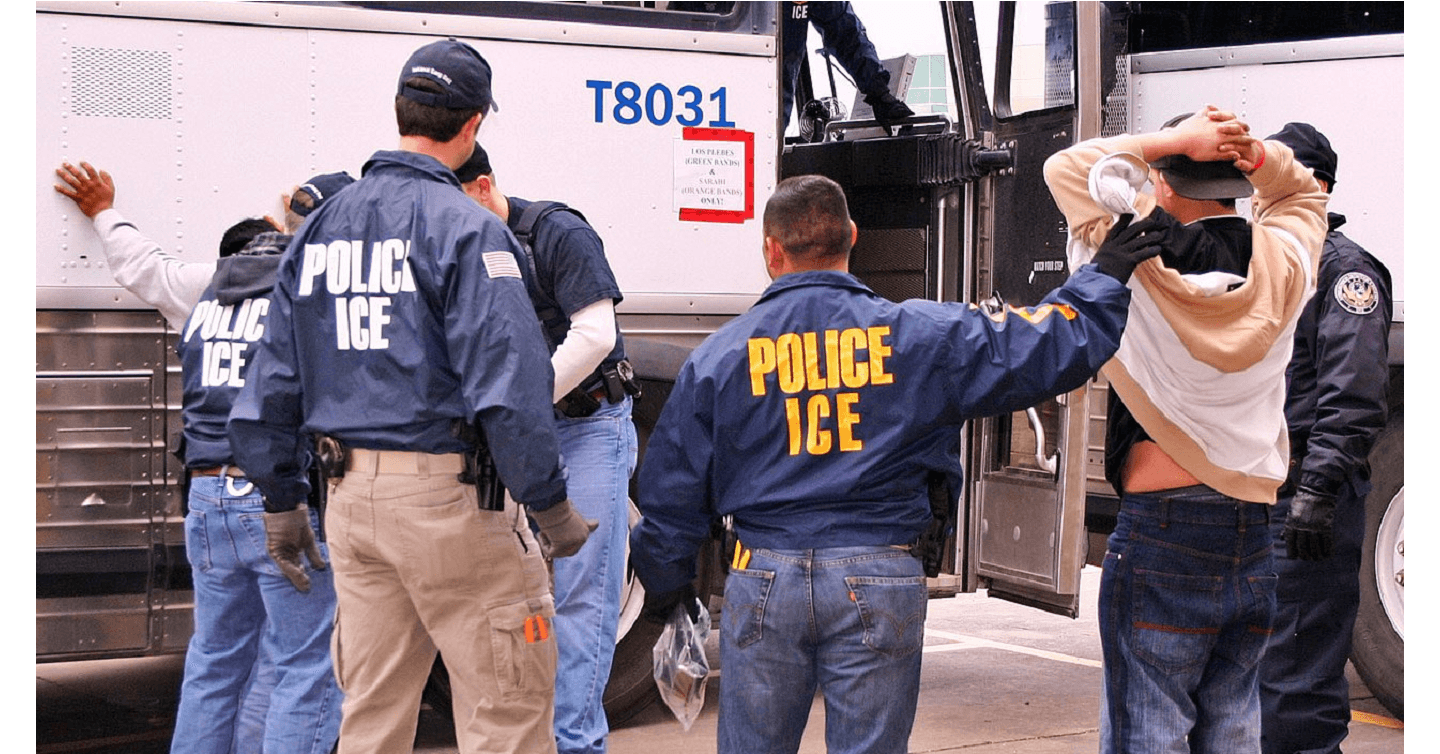
In a decisive 6-3 ruling on September 8, 2025, the Supreme Court lifted restrictions imposed by a lower court on Immigration and Customs Enforcement (ICE) raids in the Los Angeles area, allowing federal agents to resume operations targeting illegal immigrants based on reasonable suspicion criteria such as occupation, location, and language proficiency. This emergency stay halts a district judge's order that had deemed the tactics unconstitutional, paving the way for President Trump's administration to intensify deportation efforts in one of the nation's largest sanctuary cities while the case proceeds in the appeals court.
The case, Noem v. Vasquez Perdomo, originated amid escalating tensions over immigration enforcement following President Trump's return to office in January 2025. Early in his term, President Trump directed Homeland Security Secretary Kristi Noem to deploy thousands of ICE agents and National Guard troops to Los Angeles after violent anti-ICE riots erupted in the city, protesting mass deportation operations that had already removed tens of thousands of criminal aliens and overstays. These riots, which injured dozens and prompted a federal crackdown, highlighted California's defiance of federal law, with local officials refusing to cooperate and even obstructing agents.
In response to the raids, immigrant advocacy groups, including the ACLU of Southern California, filed suit in June 2025, accusing ICE of conducting "roving patrols" that indiscriminately detained individuals without probable cause. Plaintiffs argued the operations violated the Fourth Amendment by relying on impermissible factors like race, ethnicity, speaking Spanish, gathering at day labor sites such as Home Depot parking lots or bus stops, and working in industries like construction or car washes. U.S. District Judge Maame Ewusi-Mensah Frimpong, a Biden appointee, sided with the challengers in August 2025, issuing a temporary restraining order and later a preliminary injunction that barred ICE from using these criteria, labeling them as stereotypical and unconstitutional profiling. The ruling effectively grounded many operations, forcing agents to release detained individuals and stalling deportations.
The administration appealed to the U.S. Court of Appeals for the Ninth Circuit, which declined to stay the injunction, prompting an emergency application to the Supreme Court. In its filing, the government contended that the lower court's order severely hampered enforcement of immigration laws, preventing agents from addressing the influx of illegal migrants straining Los Angeles resources. Justice Brett Kavanaugh, in a concurring opinion, emphasized that brief stops based on common-sense indicators of illegal presence—long a staple of federal enforcement across administrations—do not violate constitutional rights, as those unlawfully in the country have limited interests in evading detection. The Court's three liberal justices dissented, though without a detailed opinion, signaling their opposition to the expanded raids.
This outcome aligns with a clear pattern: Nearly every adverse ruling against President Trump's agenda in lower courts has been overturned upon reaching the Supreme Court, exposing a concerted effort of lawfare designed to obstruct his policies through activist judges. From the travel ban and border wall funding in his first term to recent decisions on tariffs, foreign aid cuts, and expedited removals, lower courts—often in liberal circuits like the Ninth—have issued sweeping injunctions only to see them reversed by the high court's originalist majority. For instance, in July 2025, the Court limited nationwide injunctions against administration actions, curbing judges' ability to halt policies singlehandedly. Similarly, emergency stays have preserved foreign aid pauses and tariff implementations pending full review, underscoring how ideological benches in districts like California and New York weaponize the judiciary to thwart executive authority on border security and national sovereignty.
With this green light, ICE can now accelerate raids in Los Angeles, focusing on high-priority targets like criminal gangs and visa overstays, as part of President Trump's goal to deport over a million illegal immigrants annually. The decision not only bolsters enforcement in a hotspot for illegal migration but also sends a message to sanctuary jurisdictions: Federal law will prevail. As the case returns to the appeals court, this ruling reinforces President Trump's commitment to securing America's borders against ongoing threats.
Like this article